
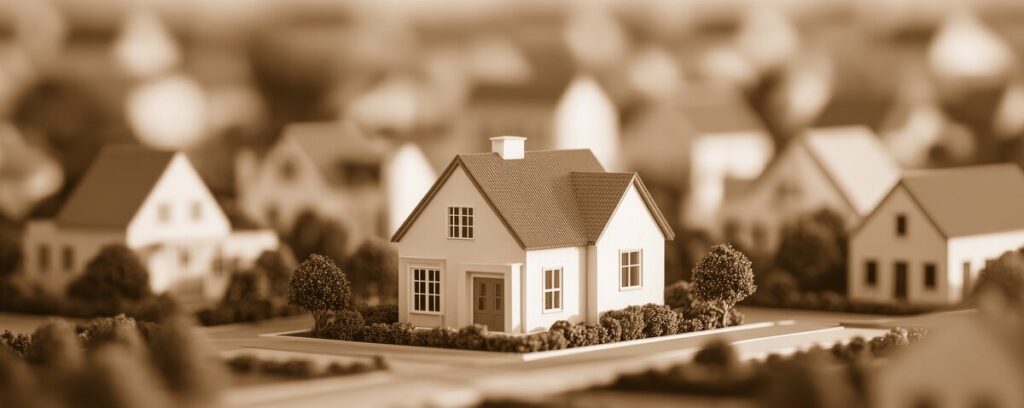
Forest Hill, nestled in the North Ward of Newark, NJ, is a neighborhood that wears its history with quiet pride. With majestic homes, tree-lined avenues, and a robust community spirit, Forest Hill has stood the test of time as a beacon of architectural elegance and urban resilience. For those who walk through its shady streets today, the echoes of its storied past are felt at every corner, from the grandeur of Sydenham Place to the lush retreat of Branch Brook Park.
The Origins of Forest Hill
The origins of Forest Hill trace back to the late 19th century. Newark, once primarily an industrial hub, saw its wealthy industrialists seeking tranquil and exclusive residential enclaves away from the city’s bustling downtown. The area now known as Forest Hill remained mostly wooded and untouched, hence its evocative name. The landscape promised both serenity and accessibility—a perfect combination for the city’s emerging elite.
Prominent developers and visionaries recognized the unique charm of these hills. Among them was Elias E. Merrell, often credited as one of Forest Hill’s first developers. By the 1880s, he and others began to purchase farmland and plots, giving birth to a neighborhood designed to blend nature with refined urban living.
How Forest Hill Got Its Name
The name “Forest Hill” is not just poetic license. Its moniker stems from the thick forests and rolling hills that characterized northern Newark at the time. The new development was marketed as a “hilltop retreat in the forest,” attracting families eager for fresh air and beautiful views. As the area grew, the name stuck, capturing both the natural beauty and elevated status of the neighborhood.
Key Historical Milestones
Forest Hill blossomed between 1880 and the outbreak of World War I, during an era when Newark was a center of manufacturing and innovation. The neighborhood rapidly filled with grand homes, each more distinctive than the last, thanks to the era’s embrace of architectural eclecticism.
- 1880s–1920s: The Great Building Boom. Architect-designed mansions sprouted along streets like Ballantine Parkway, Gifford Avenue, and Heller Parkway. Influential residents—including the Ballantine family, of brewing fame—commissioned stately homes that reflected the prosperity of the age.
- 1930s–1940s: Forest Hill weathered the challenges of the Great Depression with less decline than many other Newark neighborhoods, a testament to its strong community and resilient foundation.
- 1960s–1970s: As Newark faced urban challenges and demographic shifts, Forest Hill residents mobilized to preserve their neighborhood’s historic character. The Forest Hill Community Association, founded in 1977, played an instrumental role in advocating for zoning protections and historic preservation.
- 1990s–Present: Renewed appreciation for urban history and heritage led to Forest Hill being designated a historic district, listed on both the New Jersey and National Registers of Historic Places. Interest in the area’s unique homes and community spirit brought new residents, including artists, professionals, and young families.
Notable Landmarks and Buildings
The real treasures of Forest Hill are its architectural gems—each telling a story of craftsmanship and taste.
- Ballantine Gates (Lake Street and Ballantine Parkway): These ornate wrought iron gates, donated by the Ballantine Brewing family, welcome visitors into the heart of Forest Hill. They’re more than a monument; they’re a reminder of the legacy of Newark’s brewery dynasty.
- Krueger-Scott Mansion (601 Dr. Martin Luther King Jr. Blvd.): Although technically just outside the strict boundaries of Forest Hill, this 40-room mansion belonged to Gottfried Krueger, another titan of Newark’s brewing history. Its grandeur exemplifies the opulence that once defined the region.
- Home on Sydenham Place: The street is renowned for a row of striking mansions, from Tudor Revival to Colonial and Italianate styles. Residents proudly maintain their homes’ intricate facades, manicured gardens, and original stained glass.
- Sacred Heart Basilica (89 Ridge Street): A short stroll from Forest Hill, this awe-inspiring cathedral, with its Gothic arches and rose windows, is a Newark icon that has watched over the neighborhood since 1954.
- Branch Brook Park: Bordering Forest Hill to the west, this Frederick Law Olmsted-designed park is world-famous for its sprawling cherry blossom groves. Every spring, the park’s pathways erupt in pink—a beloved ritual for Forest Hill families and visitors alike.
Streets and Institutions to Know
- Ballantine Parkway: One of the neighborhood’s signature boulevards, known for its wide, leafy median and stately homes.
- Gifford Avenue: Lined with spacious front lawns and elegant houses, this street remains a favorite for architecture lovers.
- Forest Hill Community Association: This volunteer organization is at the heart of local stewardship, hosting neighborhood tours, holiday events, and preservation efforts year-round.
Evolution Through the Decades
Forest Hill’s resilience is one of its defining traits. Unlike many urban neighborhoods, it has managed to retain its core character and architectural splendor, adapting to the economic and cultural shifts of Newark over the decades.
- In the postwar years, some homes were divided into apartments, but recent decades have seen a resurgence of single-family ownership and restoration.
- The neighborhood has become more diverse, welcoming residents from all walks of life, reflecting the broader tapestry of Newark itself.
- Community events like the annual Forest Hill House Tour and holiday celebrations keep old traditions alive while creating new memories for generations to come.
The Spirit of Forest Hill Today
Ask any resident what makes Forest Hill special, and you’ll hear about more than just pretty houses. It’s the sense of belonging, the pride in preserving something precious, and the warm hellos exchanged on tree-shaded sidewalks. It’s children biking past the arches of Ballantine Gates, neighbors gathering in Branch Brook Park, and the shared commitment to keep history alive.
Forest Hill remains a living museum—where each home is a work of art, where every block has a story, and where the past and present mingle in a uniquely Newark embrace. Whether you’re a longtime resident or a first-time visitor, there’s always something timeless and welcoming about this grand old neighborhood.